


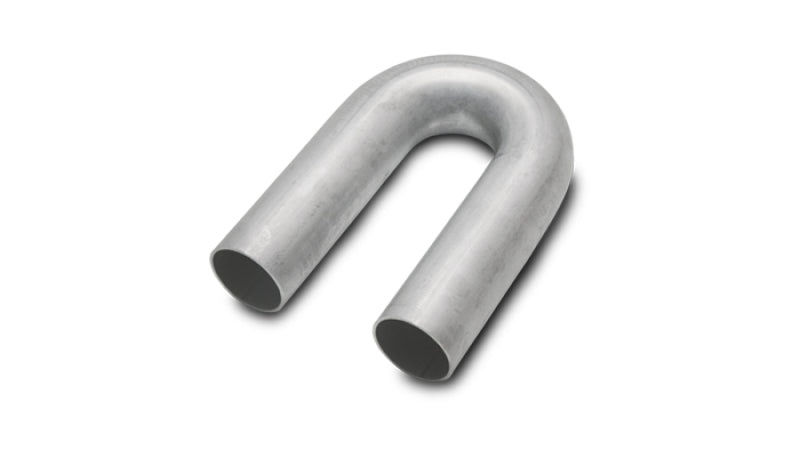



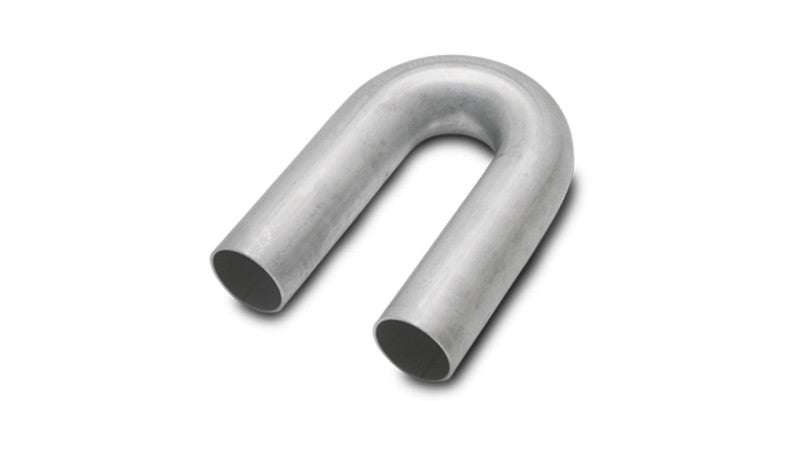

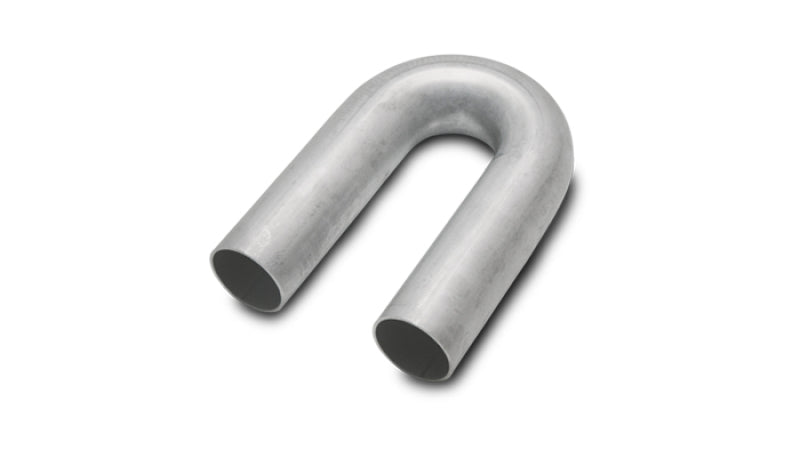

Vibrant 180 Degree Mandrel Bend 1.625in OD x 6in CLR 304 Stainless Steel Tubing
$74.99
Vibrant continues to expand upon our 304 Stainless Steel Mandrel Bent program. In addition to our popular U-J Bends, we also offer a full assortment of bends from 15 deg to 180 deg. Available in a selection of sizes ranging from 1.00" to 5".
The Vibrant 180 Degree Mandrel Bend offers a precise and reliable solution for custom exhaust and piping systems. Crafted from high-quality 304 stainless steel, this mandrel bend ensures durability, corrosion resistance, and consistent performance under demanding conditions. Its 1.625-inch outer diameter and 6-inch centerline radius provide an optimal bend angle for seamless routing in automotive applications.
This mandrel bend features a smooth, consistent bend radius thanks to its mandrel-forming process, which maintains uniform wall thickness and minimizes flow restrictions. The 180-degree bend allows for sharp directional changes in exhaust or fluid systems, making it suitable for a wide range of custom installations and repair projects.
Vibrant's commitment to quality ensures that each bend is manufactured to precise specifications, helping to reduce installation time and improve system performance. Whether upgrading an existing exhaust system or designing a new custom setup, this stainless steel mandrel bend provides the strength and flexibility needed for professional results. It is available in various sizes and angles, making it a versatile choice for automotive enthusiasts and professionals alike.
Features:
- Material: Made from durable 304 stainless steel for excellent corrosion resistance and longevity
- Bend Angle: Precisely manufactured 180-degree bend for sharp directional changes
- Centerline Radius: 6 inches offers smooth transitions in piping layouts
- Outer Diameter: 1.625 inches suitable for various automotive and industrial applications
- Manufacturing Process: Mandrel bent for consistent wall thickness and optimal flow